

Margin is a concept that every Forex trader should understand to be successful in trading. Essentially, it’s the amount of money required to open a position and is critical for leveraging trading funds. In this article, we will discuss what margin is in Forex, its various types, and the role it plays in effective risk management strategies. For more insights on trading, you can visit what is margin in forex trading https://trading-connexion.com/.
What is Margin?
In the context of Forex trading, margin refers to the minimum amount of money that a trader must deposit with their broker to open a leveraged position. Unlike traditional trading where a trader must own the full value of the asset they are purchasing, Forex allows traders to control larger positions with only a fraction of the total needed capital. This concept is known as leverage.
Margin can be viewed as a good-faith deposit that acts as a security for both the trader and the broker, ensuring that the trader has enough funds in their account to cover potential losses.
How Margin Works in Forex Trading
To understand how margin works, consider this example: if you are trading a Forex pair with a leverage of 100:1, you can control a position worth $100,000 with only $1,000 in your trading account. This means that your margin requirement is $1,000, which is 1% of the total trade size. In this way, margin allows traders to enhance their trading power and potentially increase profits.
Types of Margin in Forex
There are several types of margin that traders should be aware of:

1. Initial Margin
The initial margin is the amount needed to open a trading position. It is essentially the deposit required to secure a new trade, which is based on the size of the position and the leverage ratio provided by the broker.
2. Maintenance Margin
The maintenance margin is the minimum equity required to keep a position open after it has been established. If the equity in your trading account falls below this level, you may receive a margin call, requiring you to deposit more funds or close some positions.
3. Free Margin
Free margin is the amount of available capital in your account that is not being used as margin for open trades. It is calculated by taking the equity in your account and subtracting the used margin. Free margin allows traders to open new positions without risking liquidation of their existing trades.
Margin Call: What You Need to Know
A margin call occurs when your account equity falls below the maintenance margin requirement. This situation can occur due to adverse market movements that lead to losses on your open positions. When a margin call occurs, the broker will inform you that you need to add more funds to your account to maintain your positions or face the potential of having your positions closed out.
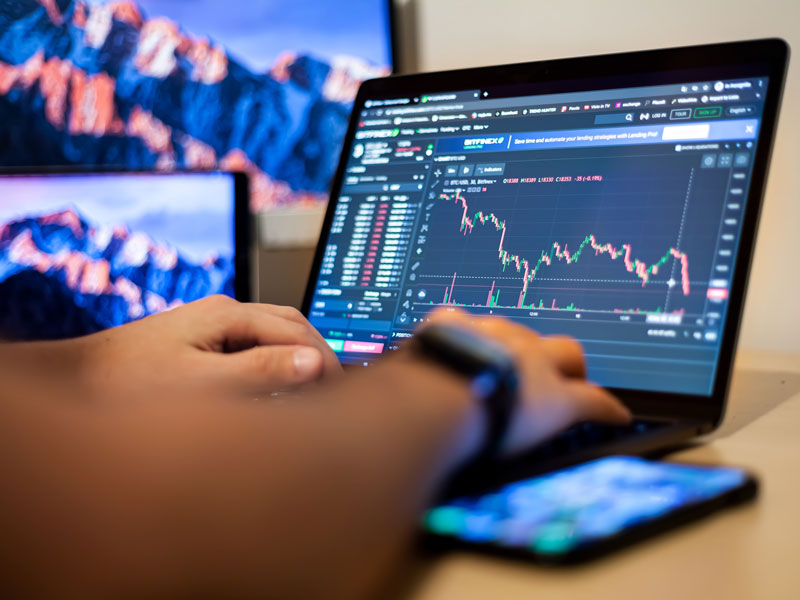
It’s important to monitor your account regularly to avoid margin calls. Many brokers offer alerts and notifications that can be set up to inform you of changes in your margin levels.
Importance of Margin in Forex Trading
Understanding margin is crucial for effective risk management. Here are some reasons why:
- Leverage: Margin allows traders to leverage their positions, significantly increasing their potential returns.
- Risk Management: Knowing how margin works helps traders manage their capital and limit risks effectively.
- Position Sizing: Margin plays a significant role in determining position sizes, which is essential for maintaining a balanced trading strategy.
Best Practices for Margin Trading
To maximize your success with margin trading, consider the following best practices:
- Understand Your Broker’s Policies: Different brokers may have different margin requirements and leverage ratios. Make sure you understand the policies of your broker before trading.
- Use Leverage Wisely: While leverage can amplify gains, it can also increase losses. Use it wisely to manage your risks effectively.
- Set Stop Losses: Implementing stop loss orders can help protect your account from significant losses, especially in volatile market conditions.
Conclusion
Margin in Forex trading is an essential element that affects your trading strategy significantly. By understanding how margin works, the types of margin available, and best practices for managing margin effectively, traders can improve their chances of success in the highly competitive Forex market. Remember to use margin responsibly and always trade with a clear strategy to manage your risks properly.